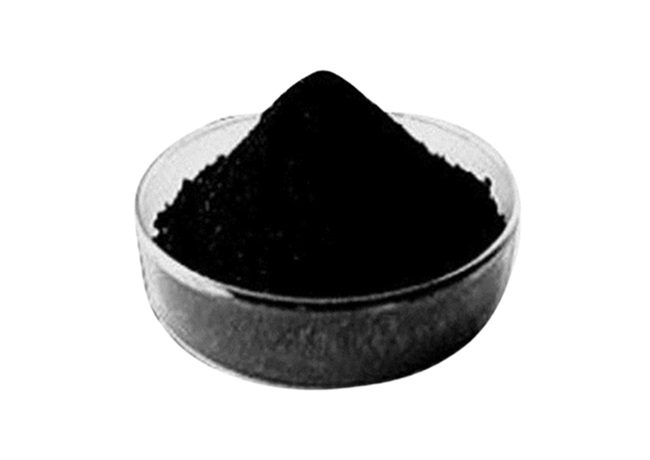
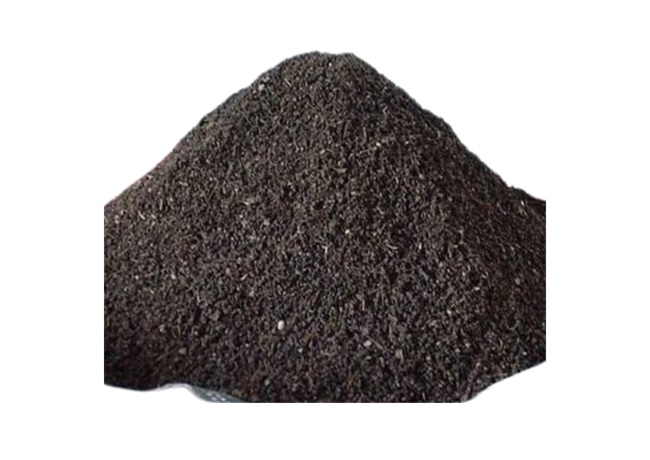
Fulvic Acid for Agriculture by Shree Ram Agrotech
Fulvic Acid is a highly active organic compound widely used in modern agriculture to improve nutrient absorption, enhance soil health, and promote strong plant growth. Shree Ram Agrotech provides high-quality fulvic acid specially formulated for agricultural use to support sustainable farming and improved crop productivity.
Shree Ram Agrotech Fulvic Acid is suitable for field crops, vegetables, fruits, flowers, plantation crops, and nursery plants. It works effectively in both soil and foliar applications and is safe for long-term use in agriculture.
What is Fulvic Acid?
Fulvic Acid is a natural organic substance derived from decomposed organic matter. It is a key component of humic substances and is known for its small molecular size, which allows it to penetrate plant cells easily and transport nutrients efficiently.
Unlike traditional fertilizers, fulvic acid does not directly supply major nutrients, but it improves the availability, mobility, and absorption of nutrients already present in the soil.
Importance of Fulvic Acid in Agriculture
In intensive farming systems, nutrient loss and poor nutrient uptake often reduce crop performance. Fulvic acid plays a critical role in improving nutrient efficiency and maintaining soil biological activity.
- Enhances nutrient absorption in plants
- Improves soil microbial activity
- Supports balanced plant growth
- Improves fertilizer efficiency
Key Components and Properties of Fulvic Acid
Shree Ram Agrotech Fulvic Acid contains highly active organic molecules that help regulate plant metabolism and nutrient transport.
- Low molecular weight organic compounds
- Natural chelating agents
- Organic carbon
- Trace minerals in bio-available form
Benefits of Fulvic Acid for Soil Health
Fulvic acid improves soil structure and stimulates beneficial microbial populations. It enhances nutrient solubility and supports long-term soil fertility.
- Improves soil nutrient availability
- Enhances microbial activity
- Improves soil structure and aeration
- Supports organic matter balance
Benefits of Fulvic Acid for Crop Growth
Regular use of fulvic acid promotes vigorous plant growth and better crop performance. It improves nutrient transport within plants and enhances resistance to stress conditions.
- Enhances root development
- Improves nutrient uptake efficiency
- Increases chlorophyll production
- Improves crop yield and quality
- Enhances tolerance to drought and salinity stress
Role of Fulvic Acid in Sustainable Agriculture
Sustainable agriculture focuses on improving productivity while preserving soil and environmental health. Fulvic acid supports this goal by improving nutrient efficiency and reducing fertilizer wastage.
Shree Ram Agrotech Fulvic Acid integrates well with organic farming, integrated nutrient management, and eco-friendly agricultural practices.
Agricultural Applications
Fulvic acid can be applied through soil application, foliar spray, and drip irrigation systems. It is compatible with most fertilizers and agricultural inputs.
- Field crops such as wheat, rice, maize and pulses
- Vegetable crops like tomato, potato and onion
- Fruit crops including mango, banana, citrus and grapes
- Floriculture and ornamental plants
- Nursery plants and plantation crops
Recommended Dosage and Application Method
The dosage of fulvic acid depends on crop type, growth stage, and method of application. Follow recommended guidelines for best results.
- Soil application: 1–2 kg per acre mixed with organic manure
- Foliar spray: 1–2 ml or grams per liter of water
- Drip irrigation: As per crop requirement
Why Choose Shree Ram Agrotech Fulvic Acid?
Shree Ram Agrotech Fulvic Acid is processed under strict quality control to ensure high activity and purity.
Our product supports efficient nutrient use, healthy crop growth, and sustainable agriculture practices.
Storage and Handling Guidelines
Store fulvic acid in a cool and dry place away from direct sunlight. Keep the container tightly closed to prevent moisture absorption. Avoid mixing with strong alkaline substances during storage.